Transform Your Living Space with Professional Home Remodeling Services

A home is more than just a place to live—it is a reflection of personal style, comfort, and functionality. Over time, needs change, families grow, and preferences evolve, making it essential to adapt living spaces accordingly. Professional home remodeling services offer the expertise, creativity, and skills needed to breathe new life into any home. From small updates to complete transformations, remodeling creates opportunities to enhance both beauty and practicality, turning a house into a true dream home.
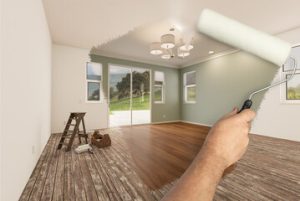
home remodeling

The Value of Home Remodeling

Home remodeling goes beyond surface-level improvements. It allows homeowners to reimagine their spaces and maximize the potential of every room. Whether the goal is to modernize outdated interiors, improve energy efficiency, or expand living areas, remodeling can make a significant difference.

Key benefits of remodeling include:

  • Increased Comfort: A well-planned remodel makes living spaces more functional and enjoyable.
  • Improved Aesthetics: Updated designs enhance style and reflect personal taste.
  • Enhanced Property Value: Renovations often increase resale value and appeal to future buyers.
  • Energy Efficiency: Modern materials and systems reduce utility costs and environmental impact.
  • Better Use of Space: Remodeling helps maximize every corner, making homes more practical.

These benefits highlight how professional remodeling is both a lifestyle improvement and a long-term investment.

Popular Areas for Remodeling

Every part of a home has the potential for transformation. Professional remodeling services offer solutions for different areas, tailoring designs to meet specific needs and preferences.

1. Kitchen Remodeling

The kitchen is often called the heart of the home. Remodeling this space can make cooking, dining, and entertaining more enjoyable. Upgraded cabinets, countertops, lighting, and layouts create both beauty and efficiency.

2. Bathroom Upgrades

Bathrooms play an important role in comfort and relaxation. Remodeling may include new fixtures, improved storage, modern tile work, or spa-like features that turn a simple bathroom into a retreat.

3. Living Room and Common Areas

These spaces are where families gather and guests are welcomed. Remodeling can open floor plans, improve natural lighting, and create designs that enhance comfort and style.

4. Bedrooms

Bedrooms should offer rest. With thoughtful design, remodeling can improve storage, add luxury touches, or create a calming atmosphere.

5. Outdoor Spaces

Decks, patios, and landscaping upgrades expand living areas beyond the walls of a home, creating enjoyable outdoor environments for relaxation and entertainment.

The Role of Professional Expertise

While some may consider do-it-yourself projects, professional home remodeling services bring expertise that ensures both quality and efficiency. Professionals combine creativity with technical knowledge to deliver lasting results.

  • Design Expertise: Professionals know how to balance style, function, and practicality.
  • Technical Skills: Proper installation, structural adjustments, and code compliance require trained specialists.
  • Project Management: Coordinating materials, timelines, and labor is managed efficiently.
  • Problem Solving: Unexpected challenges often arise during remodeling. Professionals have the skills to handle them effectively.

With trusted expertise, homeowners can avoid costly mistakes and enjoy smoother remodeling experiences.

Remodeling Trends for Modern Living

Modern home design continues to evolve, offering fresh ideas that can be incorporated into remodeling projects. Professional services often stay updated with these trends, ensuring that homes remain stylish and functional.

  • Open Floor Plans: Creating seamless connections between kitchens, dining areas, and living rooms enhances space and flow.
  • Smart Home Technology: Integrating automation for lighting, climate, and security improves convenience and efficiency.
  • Sustainable Design: Eco-friendly materials, energy-efficient appliances, and natural lighting reduce environmental impact.
  • Minimalist Aesthetics: Clean lines, neutral tones, and clutter-free spaces create modern elegance.
  • Multi-Functional Spaces: Flexible designs allow rooms to serve multiple purposes, such as home offices or guest rooms.

By combining timeless design principles with modern trends, homeowners achieve homes that meet today’s needs while preparing for tomorrow.

The Remodeling Process

Understanding the remodeling process helps set realistic expectations and ensures smooth collaboration with professionals.

  1. Initial Consultation: Homeowners discuss goals, needs, and budgets with professionals.
  2. Design Planning: Concepts and layouts are developed to reflect both functionality and style.
  3. Material Selection: Choosing finishes, fixtures, and features brings the design vision to life.
  4. Construction and Installation: Skilled teams handle the physical transformation of the space.
  5. Final Touches and Inspection: Details are perfected to ensure quality and satisfaction.

Clear communication throughout each stage ensures that the finished project aligns with the homeowner’s vision.

Long-Term Benefits of Remodeling

Remodeling offers immediate rewards, but it also provides lasting benefits that extend well into the future.

  • Property Value Growth: Quality renovations make homes more appealing to potential buyers.
  • Adaptability: Spaces evolve with changing family needs and lifestyles.
  • Energy Savings: Modern upgrades reduce long-term costs through efficiency.
  • Personal Enjoyment: Perhaps most importantly, remodeling enhances daily life, making a home a true source of pride and comfort.

These advantages make remodeling not just an expense, but a worthwhile investment in both quality of life and financial security.

Choosing the Right Remodeling Services

Selecting professional remodeling services requires thoughtful consideration. Homeowners should look for:

  • Experience and Portfolio: Evidence of past projects shows capability and style.
  • Clear Communication: Open discussions about timelines, budgets, and expectations build trust.
  • Attention to Detail: Quality work ensures that designs are both durable and beautiful.
  • Reliability: Professionalism and commitment to timelines reduce stress during projects.

With the right partnership, remodeling becomes a rewarding experience rather than a stressful one.

Transforming a living space through professional home remodeling services is an opportunity to create a home that is not only functional but also inspiring. Whether updating a single room or reimagining an entire house, remodeling enhances comfort, beauty, and value. With expert guidance, creative design, and skilled craftsmanship, homeowners can enjoy spaces that truly reflect their lifestyles and dreams.

Professional remodeling is about more than construction—it is about creating environments where people can live, grow, and thrive. By investing in trusted services, homeowners ensure that their living spaces remain modern, engaging, and tailored to their unique needs for years to come.

Preventive Pest Control: Keeping Infestations Away Year-Round

Pests rarely appear out of nowhere. In most cases, infestations develop gradually, taking advantage of small gaps in maintenance, sanitation, or seasonal changes. Preventive pest control focuses on stopping these problems before they begin, rather than reacting after pests have already settled in. By adopting a proactive, year-round approach, homeowners and property managers can protect their spaces more effectively, reduce long-term costs, and maintain healthier living environments.

Unlike reactive methods that address visible infestations, preventive Pest Control Fort Pierce works quietly in the background. It targets the conditions that attract pests, disrupts their life cycles, and creates barriers that make properties less appealing. This strategy is not only practical but also sustainable, offering consistent protection throughout every season.

pests

What Preventive Pest Control Really Means

Preventive pest control is built around anticipation. Instead of waiting for pests to become a noticeable problem, it involves identifying risks early and addressing them before pests can establish themselves. This includes monitoring pest activity, maintaining structures, managing environmental conditions, and making small but meaningful adjustments to daily habits.

The goal is simple: remove the reasons pests are drawn to a property in the first place. When food, water, and shelter are limited, pests are far less likely to settle in. Prevention shifts pest control from a short-term fix to a long-term solution.

Why Year-Round Pest Prevention Matters

Many people associate pest problems with warmer months, but pests are active throughout the year. Seasonal changes influence where pests go and how they behave. During warmer periods, pests often multiply rapidly outdoors. In cooler months, they seek shelter indoors or near structures.

Year-round preventive pest control ensures that protection does not lapse during quieter seasons. Addressing pest risks consistently helps prevent sudden infestations when conditions change. Continuous prevention is far more effective than seasonal or occasional responses.

Common Factors That Attract Pests

Understanding why pests invade properties is a key part of prevention. Most pests are drawn by three basic needs: food, water, and shelter. Even small amounts of these resources can attract unwanted activity.

Crumbs, unsealed food, and waste provide nourishment. Moisture from leaks, condensation, or poor drainage creates ideal conditions for pests to thrive. Clutter, cracks, and undisturbed areas offer safe hiding spots. Preventive pest control focuses on managing all three factors consistently.

The Role of Inspections in Preventive Pest Control

Regular inspections are the foundation of effective prevention. By routinely checking both indoor and outdoor areas, early signs of pest activity can be detected before they turn into infestations. Inspections help identify entry points, moisture issues, and environmental conditions that may invite pests.

Preventive inspections also build awareness. Over time, patterns emerge that make it easier to predict when and where pest risks are likely to increase. This proactive insight allows for timely action rather than last-minute solutions.

Sealing Entry Points Before Pests Find Them

One of the most effective preventive pest control strategies is eliminating access points. Pests can enter through tiny cracks, gaps, and openings that often go unnoticed. Doors, windows, foundations, and utility lines are common entry areas.

Sealing these openings reduces the chances of pests getting inside. Proper maintenance of these vulnerable areas strengthens the property’s natural defenses and supports long-term pest prevention.

Managing Food Sources Proactively

Food management is a critical aspect of keeping pests away. Even well-maintained homes can attract pests if food sources are not controlled carefully. Preventive pest control involves consistent habits that limit access to food.

Storing food properly, cleaning surfaces regularly, and managing waste effectively all reduce pest attraction. When food sources are unavailable, pests are far more likely to move on rather than settle in.

Moisture Control as a Preventive Measure

Moisture is often overlooked, yet it plays a major role in pest activity. Many pests are drawn to damp environments that support breeding and survival. Preventive pest control addresses moisture issues before they become serious.

Fixing leaks, improving ventilation, and maintaining proper drainage help create less favorable conditions for pests. Dry, well-ventilated spaces are naturally less attractive and more resistant to infestations.

Seasonal Adjustments for Continuous Protection

Preventive pest control is not static. It adapts to seasonal changes and shifting pest behavior. As temperatures rise or fall, pests adjust their habits, and prevention strategies should follow suit.

Seasonal maintenance, such as adjusting outdoor conditions or checking indoor spaces more closely, helps maintain consistent protection. Staying ahead of these changes prevents pests from exploiting transitional periods.

Outdoor Prevention as the First Line of Defense

Many infestations begin outside before moving indoors. Preventive pest control starts with managing the exterior environment. Yards, gardens, and perimeters can either deter pests or encourage them, depending on how they are maintained.

Removing debris, managing vegetation, and reducing moisture outdoors all contribute to prevention. A well-maintained exterior creates a buffer zone that reduces the likelihood of pests entering the home.

The Importance of Clean and Organized Spaces

Clutter provides shelter for pests and makes early detection more difficult. Preventive pest control encourages clean, organized spaces that reduce hiding spots and improve visibility.

Regular cleaning and thoughtful storage practices make it easier to spot potential issues early. When spaces are organized, pest prevention becomes more manageable and effective.

Long-Term Cost Benefits of Prevention

One of the biggest advantages of preventive pest control is cost efficiency. Addressing small issues early is far less expensive than dealing with full-scale infestations later. Prevention reduces the need for extensive treatments, repairs, and replacements.

Over time, consistent preventive measures save money while preserving property value. Investing in prevention is a practical decision with measurable long-term returns.

Health and Comfort Advantages

Preventive pest control also supports healthier living environments. Pests can contribute to allergies, contamination, and general discomfort. Keeping them away reduces these risks and improves overall quality of life.

A pest-free environment promotes peace of mind. Knowing that proactive steps are in place allows occupants to enjoy their spaces without constant concern about infestations.

Supporting Structural Integrity Through Prevention

Some pests can cause damage to building materials if left unchecked. Preventive pest control helps protect structural components by limiting pest access and activity near vulnerable areas.

Regular maintenance and inspections reduce the risk of hidden damage. This protective approach preserves both safety and property longevity.

Sustainable Approaches to Pest Prevention

Preventive pest control aligns naturally with sustainable practices. By focusing on environmental management and long-term solutions, it reduces reliance on reactive treatments.

Sustainability in pest control means maintaining balance rather than constant intervention. Prevention supports healthier ecosystems while still delivering reliable protection.

Education and Awareness as Preventive Tools

Knowledge plays a powerful role in pest prevention. Understanding pest behavior, seasonal patterns, and risk factors empowers property owners to make better decisions.

Preventive pest control becomes more effective when awareness is combined with consistent action. Education helps transform prevention from a task into a habit.

Creating a Preventive Pest Control Routine

Consistency is key to success. Establishing a routine that includes inspections, cleaning, maintenance, and seasonal adjustments ensures that prevention remains effective year-round.

A routine approach reduces the chances of overlooking small issues. Over time, these habits become second nature, strengthening overall pest resistance.

Prevention for Residential and Shared Properties

Preventive pest control benefits all types of properties, from single-family homes to shared living spaces. In environments where multiple occupants share responsibilities, prevention becomes even more important.

Clear maintenance practices and shared awareness help ensure that pest risks are managed collectively. Prevention works best when everyone plays a role.

Adapting Prevention to Changing Conditions

Properties evolve over time. Landscaping changes, renovations occur, and usage patterns shift. Preventive pest control must adapt accordingly.

Regular reassessment ensures that prevention strategies remain relevant. Flexibility allows for continued effectiveness even as conditions change.

Why Prevention Is the Smartest Pest Control Strategy

Reactive pest control addresses problems after they arise, often requiring more effort and expense. Preventive pest control focuses on staying ahead of pests, reducing the likelihood of infestations altogether.

This forward-thinking approach offers reliability, sustainability, and peace of mind. Prevention is not just about avoiding pests today but about protecting spaces for the future.

Preventive pest control is the most effective way to keep infestations away year-round. By focusing on early detection, environmental management, and consistent maintenance, property owners can create conditions that pests find uninviting.

Rather than reacting to problems as they appear, prevention builds lasting protection. With a proactive mindset and steady effort, preventive pest control delivers healthier spaces, lower costs, and long-term confidence in pest-free living.